


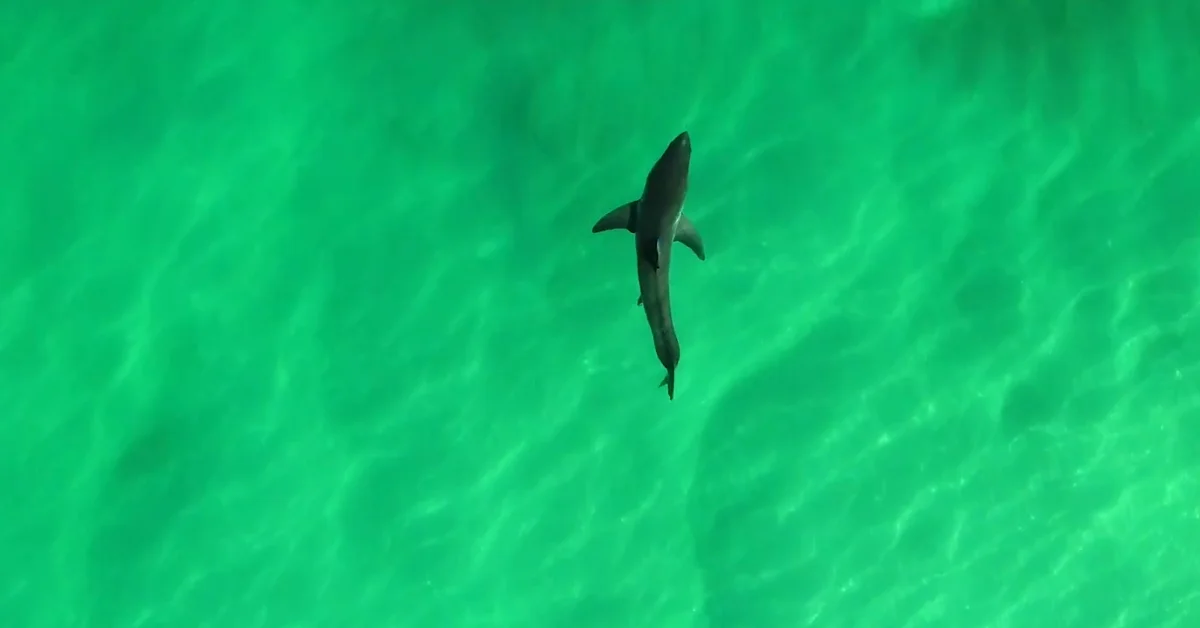
Belrose has entered Sydney’s shark safety discussion as attention turns to whether artificial intelligence can help drone surveillance detect sharks faster and support earlier warnings at busy beaches.
Belrose Operations Behind The Drone Network
Belrose sits away from the shoreline, but it has become part of the wider discussion about how artificial intelligence could strengthen shark surveillance across Sydney beaches.
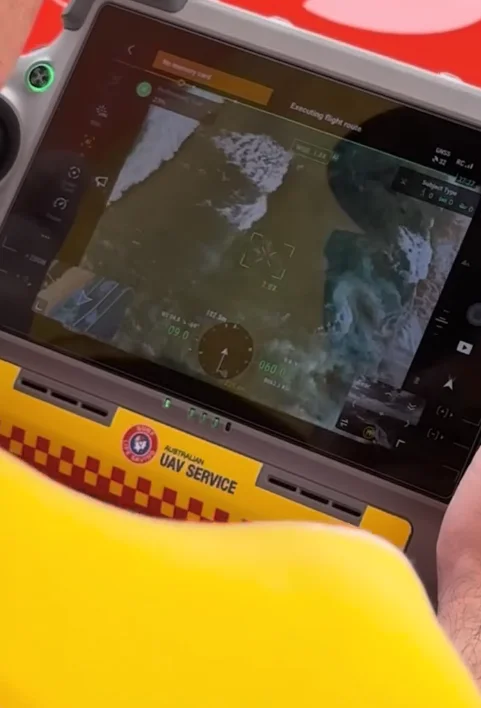
Surf Life Saving NSW runs some autonomous drone operations from its head office in Belrose for remote areas. That work has drawn attention as beach safety teams consider how drone surveillance could become faster, more automated and more closely connected to public warning systems.
The discussion has sharpened after a serious shark bite at Coogee Beach involving Leah Stewart, a 35-year-old mother and teacher who was attacked by a great white shark while swimming between the flags. She has undergone multiple surgeries and had her left arm amputated.
The incident has placed fresh focus on the time between a shark being detected and swimmers being told to leave the water.
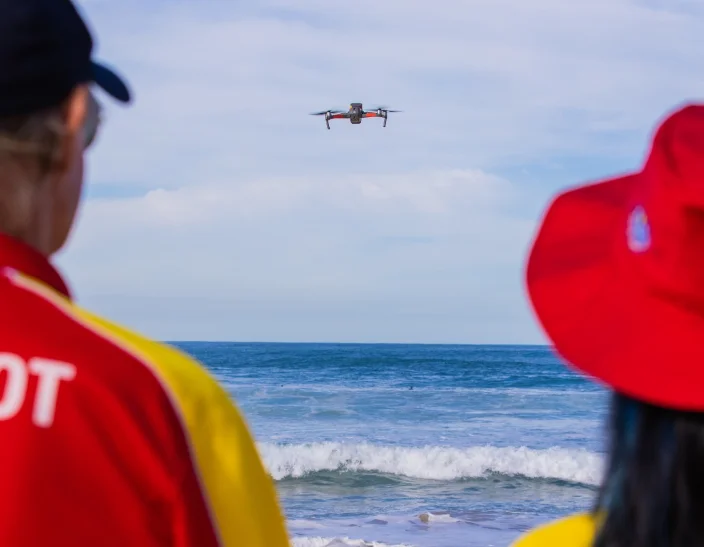
AI Detection Moves Into The Shark Safety Debate
Macquarie University Professor Culum Brown has said an early warning system could use autonomous drones with onboard sensors and artificial intelligence to detect sharks from the air.
Under that type of system, a drone could identify a shark, follow its movement and send information back to a base. Beach safety teams could then use that information to support warnings, closures or further surveillance.
Emeritus Professor Rob Harcourt, also from Macquarie University, has said autonomous drones and AI shark recognition technology are either available or close to available.
The proposed technology would sit beside existing patrols rather than replace them. Lifesavers, drone pilots and beach operators would still remain central to decisions made on the sand and in the water.
Belrose-Based Operations Add To Existing Capability
Surf Life Saving NSW chief executive Steven Pearce has said the organisation already runs autonomous drones from its Belrose head office for remote areas, while still prioritising visible drone pilots on beaches where possible.
That visible presence remains part of beach safety operations, with drone pilots identifiable to beachgoers during patrols. At the same time, autonomous operations from Belrose show how some monitoring can also be supported away from the beachfront.
The wider shark safety network already includes drone patrols, SMART drumlines, tagged shark listening stations, beach alerts, the SharkSmart app, shark nets, education campaigns and shark bite kits.
Drone coverage across NSW changes with the season, location and operating conditions. Patrols peak in summer, when beach use is higher, before dropping back in winter.
Accuracy Will Decide How Far AI Can Go
Any AI shark warning system would need to perform reliably in changing coastal conditions.
Beach safety teams are mainly concerned with white, tiger and bull sharks. False alarms could lead to unnecessary evacuations if dolphins, grey nurse sharks or wobbegongs are mistaken for dangerous sharks.
Surf Life Saving NSW has been working on an AI solution with acceptable accuracy, while researchers have said recognition systems can be trained to identify different species from drone footage.
The challenge is to make the system fast enough to support early warnings while reliable enough to avoid repeated false alarms.
Belrose Role Stays Behind The Scenes
Belrose’s role in the shark safety discussion remains operational rather than beachfront.
Its drone operations show that autonomous aerial surveillance already forms part of the system now under review. The next step being discussed is whether artificial intelligence can make that system quicker and more useful when sharks are detected near swimmers.
As Sydney beaches look towards the next summer season, Belrose sits behind the drone capability now being considered for a more advanced shark warning network.
Published 16-June-2026