


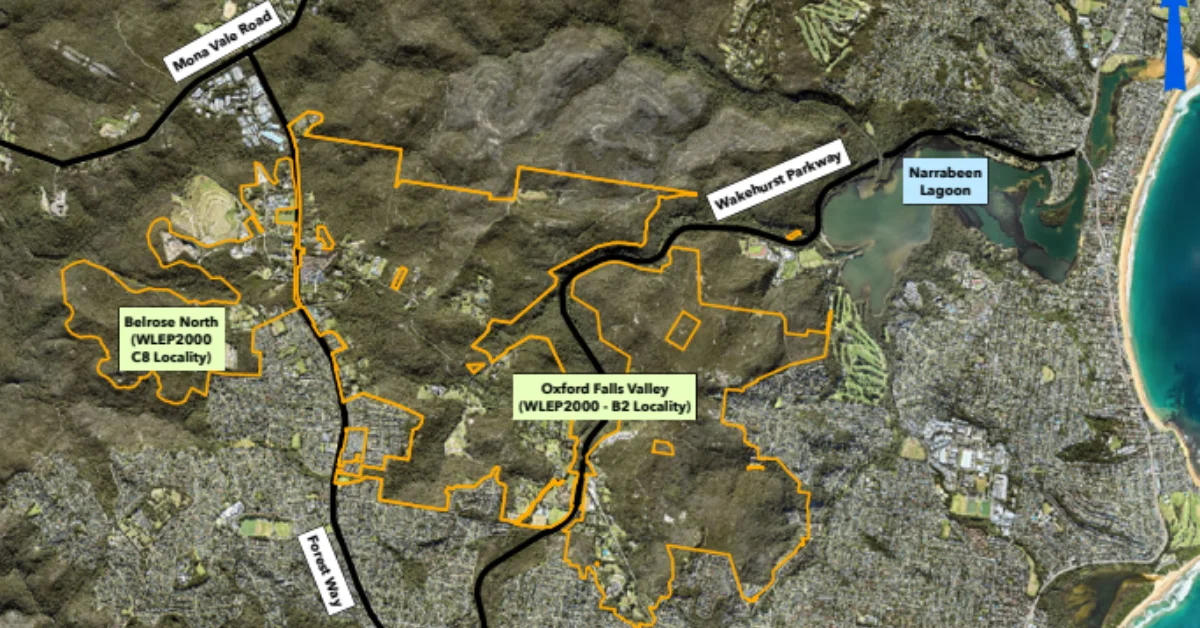
Landowners in Belrose North are concerned that proposed planning changes could leave them with fewer options for developing their properties, as Northern Beaches reviews feedback on a new framework for the area known as the Deferred Lands.
Read: Belrose Targeted for Housing Diversity Rules
The draft Local Environmental Plan (LEP) would introduce standard land-use zones across Belrose North and Oxford Falls Valley, where property owners have faced decades of uncertainty over planning controls. While local officials said the changes will create clearer rules and protect environmentally significant land, affected property owners argued the proposed controls could significantly restrict what they can build.
The dispute centres on the Deferred Lands, where residents say they have been campaigning over planning restrictions since 1974. The Warringah Urban Fringe Association (WUFA), which represents affected owners, supports consolidating outdated planning documents but argues the new framework should not come at the expense of existing development opportunities.
Concerns over building potential
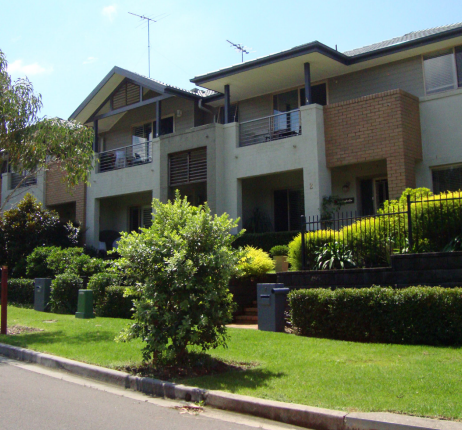
Under the draft LEP, the number of permissible land uses across the Deferred Lands would fall from about 170 to between 23 and 44, depending on the proposed zoning. The draft LEP would introduce lot-size restrictions that could prevent new homes from being built on some smaller properties. Although dwelling houses would be permitted in the proposed zones, separate lot-size provisions could prevent new homes on properties that do not meet the draft LEP’s requirements.
WUFA argued that the proposed restrictions could prevent owners of some smaller properties from building new homes, depending on the applicable lot-size and zoning requirements.
The association has recommended smaller minimum lot sizes, including 1,000 square metres for R5 land and 20,000 square metres for RU4 land. It has also raised concerns about environmental mapping used to identify biodiversity areas, wildlife corridors, waterways and wetlands, arguing that some classifications may not accurately reflect conditions on individual properties.
Development footprint limits are another point of contention. WUFA argues the proposed controls could reduce the permitted development footprint to 10 per cent on affected properties, compared with existing allowances it identifies as 70 per cent in Oxford Falls and 50 per cent in Belrose North. The potential impact would vary by property, and these figures have not been independently verified for every affected block.
Northern Beaches reviews community feedback
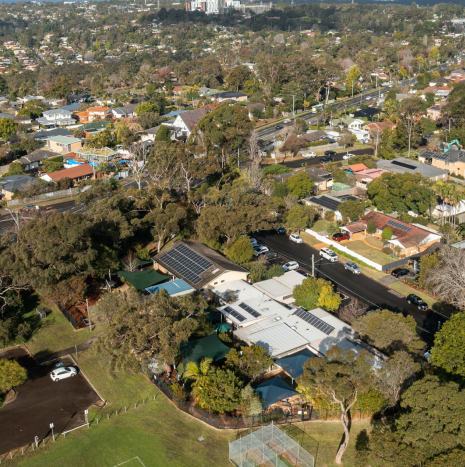
Northern Beaches said the new planning framework is intended to bring four sets of planning controls into one system, making requirements easier to understand while protecting environmental values and directing development to appropriate locations.
The Deferred Lands are among the areas where the draft introduces standard zoning, reflecting existing land uses and environmental considerations in line with state planning requirements. Council has indicated that the proposed changes would guide future development rather than automatically making existing lawful dwellings illegal. Future development applications would be assessed under the applicable planning rules, with transitional provisions for certain applications already lodged.
Public exhibition of the draft LEP and Development Control Plan closed on September 30, 2026. In an October 1 update, Council said it was reviewing approximately 700 submissions and considering community feedback before finalising the documents. The figure is indicative and subject to confirmation in the final report.
The draft plans are expected to go before Northern Beaches for endorsement in early 2027. If endorsed, the LEP would be forwarded to the NSW Department of Planning, Housing and Infrastructure for final approval. Council anticipates the new planning framework will begin taking effect in mid-2027.
Read: Belrose Bushland Sites Cleared for Private Market
The outcome could shape how future development is managed across Belrose North properties that have been subject to longstanding planning uncertainty. The challenge is to establish a consistent planning framework while taking into account the circumstances and development rights of existing landowners.
Published 10-October-2026